Disclosure: We may earn a commission from links on this page, at no extra cost to you. How we earn
This article contains affiliate links. If you make a booking through these links, we may earn a commission at no extra cost to you. About & Affiliate Disclosure
Quick Answer
- Best for hiking and lakes: June to September, with July and August the warmest and busiest.
- Best for skiing: December to March, peaking January to March for reliable snow.
- Cheapest and quietest: late April to May and late October to early December (between seasons).
- Avoid for price: Christmas and New Year in the resorts, plus peak July and August.
- Daily budget: 90 to 150 US dollars for backpackers, 200 to 350 for mid-range comfort.
The Best Time to Visit Switzerland, in One Sentence
A July morning above Grindelwald, the cog railway opening onto a meadow so green it looks retouched, cowbells somewhere below, the Eiger’s north face looming grey and enormous across the valley, paragliders drifting past at eye level, is the postcard version of Switzerland in summer. It is also, once the lift tickets and the hotel are tallied, eye-wateringly expensive. That bill is the first lesson in timing a Switzerland trip, because the season you choose changes everything here.
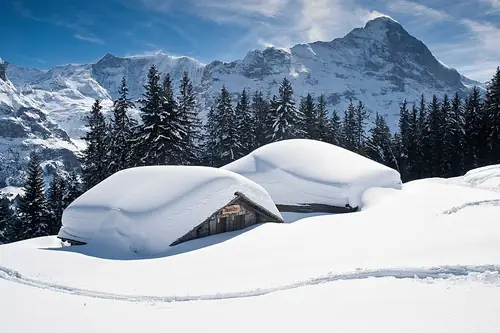
But you came for the answer, so here it is. The best time to visit Switzerland is summer (June to September) if you want hiking, lakes, and mountain trains, or winter (December to March) if you want to ski. Switzerland runs two distinct high seasons (a green one and a white one), and the cheapest, quietest windows are the shoulder months between them: late April to May and late October to early December.
Honestly? If your dream is carving fresh powder in Zermatt or hiking flower-strewn alpine trails, pick the matching peak and pay for it. For everyone else, the shoulder months give you dramatic scenery and far softer prices, with the trade-off that some lifts and high mountain trains close. This guide breaks down every month so you can match Switzerland to your wallet.
What to pack for Switzerland
Four picks from our gear guides that suit this trip. Each card opens the live Amazon price; the links below lead to the full comparisons.
25 x 18 x 4 cm, 254 g, 2.1 L. Locking zips, a cut-resistant double-cable strap, an RFID passport pocket and a strap that clips to a chair. Reader’s Digest’s best crossbody for travel.
Check price on Amazon Live price on AmazonThe best value compression set going. A double-zip pulls the air out so a week of clothes shrinks to a few inches thick, and you get eight pieces (cubes plus a shoe and laundry bag) for roughly the price of one branded cube. The fabric is thin and the zips aren’t lifetime kit, but for the money nothing beats it.
Check price on Amazon Live price on AmazonThe reliable all-rounder: three USB-C and two USB-A ports, plugs for 200+ countries, and a built-in fuse with a spare. The adapter most people should buy.
Check price on Amazon Live price on AmazonModel A1259, 10,000mAh, about 37Wh, 215 g. Two phone charges in a jacket pocket, and small enough that the two-bank limit never becomes a question.
Check price on Amazon Live price on AmazonWhen and where to go in Switzerland
| Month | Weather | Crowds | Prices | Best for |
|---|---|---|---|---|
| January | Cold, snowy (Alps) | High (resorts) | High (resorts) | Skiing, snow, winter scenery |
| February | Cold, snowy | High (school holidays) | High | Skiing, peak powder |
| March | Cold easing, good snow | Moderate | Mid-high | Spring skiing, sunshine |
| April | Mild lowlands, melting | Low | Low | Cities, blossom, shoulder value |
| May | Warm lowlands, high snow lingers | Low | Low | Lakes, towns, quiet value |
| June | Warm, trails opening | Rising | Mid | Early hiking, lakes, fewer crowds |
| July | Warm, peak hiking | Very high | Peak | Hiking, mountain trains, lakes |
| August | Warm, peak season | Very high | Peak | Festivals, hiking, swimming |
| September | Warm, lovely | Easing | Mid-high | Best hiking value, clear air |
| October | Crisp, golden | Moderate | Mid | Autumn colour, quiet trails |
| November | Grey, damp, between seasons | Low | Low | Cheap cities, pre-ski lull |
| December | Cold, festive, early snow | Rising late month | Low then peak | Christmas markets, early skiing |
A few notes the grid can’t capture: Zurich lowland highs run from around 2 C in January to about 25 C in July, while the high Alps stay snowbound far longer. February pain comes from Swiss and European school holidays spiking resort prices; high-altitude glacier areas can still ski into April. Swiss National Day on August 1 fills the mountain villages with festivals, and December prices stay low right up until the Christmas and New Year spike.
By region
| Region | Best months | Notes |
|---|---|---|
| Zurich & lowland cities | May to Sep | Mild, lively; pleasant year-round but grey in winter |
| Jungfrau & Bernese Alps | Jun to Sep, Dec to Mar | Hiking peak in summer, skiing in winter |
| Zermatt & Valais | Jul to Sep, Dec to Apr | High-altitude skiing into spring; summer hiking |
| Lake Geneva & Ticino | Jun to Sep | Warmest, near-Mediterranean Ticino in summer |
| St. Moritz & Engadine | Jan to Mar, Jul to Aug | Glamorous winter resort; high-alpine summer |
Find Cheap Flights to Switzerland
Zurich (ZRH) is the main international gateway, with Geneva (GVA) handy for the western Alps and the French-speaking region, and Basel (BSL) a budget-friendly option in the northwest. From Europe, Swiss, easyJet, and other carriers fly in cheaply; from North America, Zurich and Geneva both have direct links. Switzerland’s superb rail network means you can land at one airport and reach the mountains by train within hours.
Use the live calendar below to spot the cheapest departure dates at a glance, then compare across months.
Tips for cheaper flights:
- Book 1 to 3 months ahead for short-haul to Zurich; ski-season and summer dates climb earlier.
- Compare Zurich, Geneva, and Basel: the cheapest gateway depends on which region you want.
- Travel in the shoulder months (May, late October, November) for the lowest fares of the year.
- Watch low-cost carriers into Basel and Geneva, which can undercut full-service routes.
- Avoid Christmas, New Year, and February school holidays for the steepest fares.
For more route ideas and fare hacks, browse our full flights hub.
Switzerland is never truly cheap, but timing makes a real difference. Target these windows:
Late April to May is one of the cheapest stretches. The lowlands are green and blooming, prices drop between the ski and hiking peaks, and that Grindelwald-style summer surcharge simply isn’t there yet. You trade closed high trails and some shut lifts for far gentler bills.
Late October to early December (before Christmas) is the other bargain window, quiet and low-priced before the resorts gear up for the festive ski rush.
June and September, the edges of summer, are the value picks if you want to hike: open trails and fine weather with prices below the July and August peak.
Steer clear of Christmas and New Year in the resorts and the peak July and August weeks for the lowest rates.
Pick your month and the costs look manageable. But there’s a transport question that quietly shapes your whole budget here, so let’s tackle it.
Is the Swiss Travel Pass Worth It?
Here’s the question every visitor faces: Switzerland’s trains, boats, and buses are world-class but pricey, and the marketing pushes the Swiss Travel Pass hard. Whether it pays off comes down to how much you move.
| Trip style | Sample plan | Pass worth it? |
|---|---|---|
| Single base | Lucerne for a week, few trips | No, buy point-to-point or half-fare |
| Two regions | Zurich, Interlaken, Zermatt loop | Often yes, compare the days |
| Grand tour | Multi-city rail across the country | Usually yes (consecutive-day pass) |
| Lots of cable cars | Heavy mountain-railway use | Run the numbers; some get partial discounts |
The Swiss Travel Pass bundles unlimited trains, boats, and most buses, free entry to many museums, and discounts on mountain railways, but it isn’t cheap. If you’re hopping between regions by train every couple of days, it usually pays off; for a single-base trip with only a few journeys, individual tickets or the Half Fare Card can work out cheaper. Always price your actual itinerary before committing.
Where to Stay in Switzerland
Where you sleep shapes both your budget and your experience, and Switzerland ranges from lakeside cities to high mountain villages.
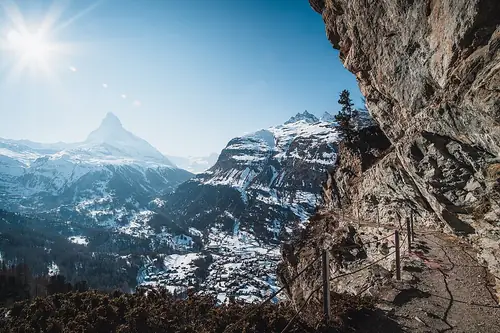
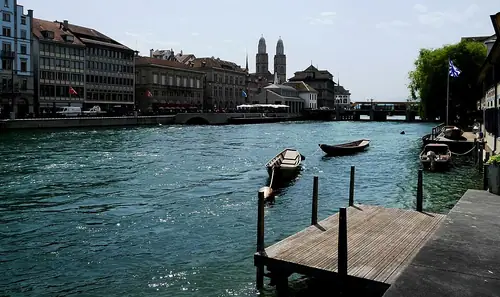
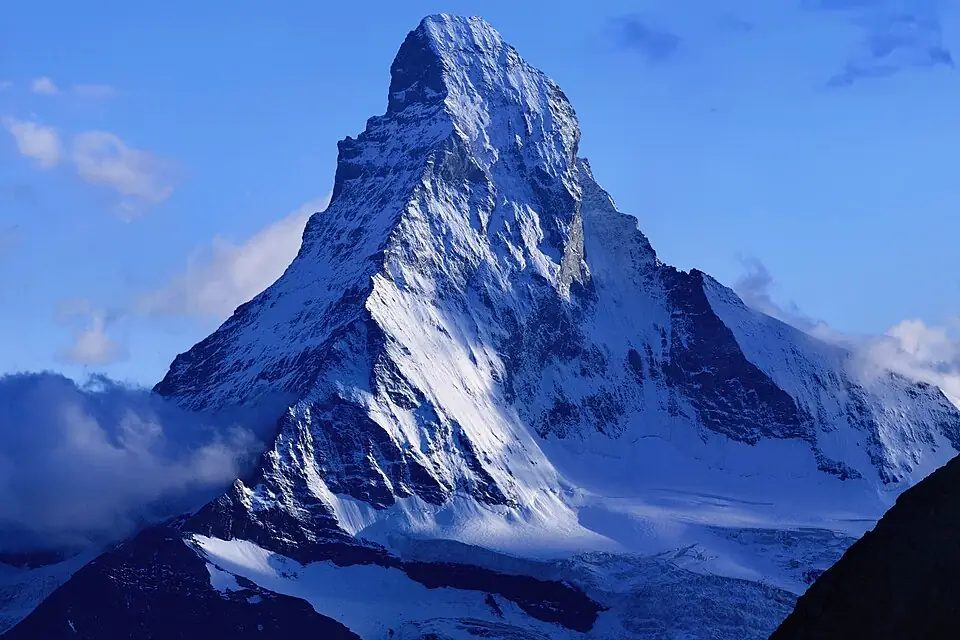
Zurich is the cosmopolitan gateway on its lake, Lucerne the postcard base for central Switzerland, and Interlaken the springboard for the Jungfrau’s trails and slopes. Zermatt sits car-free beneath the Matterhorn. Compare current rates anytime on our hotels hub.
Daily Budget for Switzerland
| Category | Budget (US dollars) | Mid-Range (US dollars) | Comfort (US dollars) |
|---|---|---|---|
| Accommodation | 40 to 70 | 110 to 200 | 240 to 500 |
| Food (3 meals) | 25 to 40 | 50 to 90 | 100 to 200 |
| Transport | 15 to 25 | 30 to 60 | 70 to 150 |
| Activities | 10 to 25 | 30 to 70 | 80 to 180 |
| Daily Total | 90 to 150 | 200 to 350 | 490 to 1,000 |
A few notes that keep costs honest: Switzerland is among the world’s priciest countries, so self-catering from supermarkets like Migros and Coop, filling up on bread, cheese, and chocolate, and carrying a refillable water bottle (tap water is excellent and free) all help. Mountain excursions like the Jungfraujoch are spectacular but cost real money, so pick your splurges. A picnic with an alpine view costs a fraction of a mountaintop restaurant and often beats it for the memory.
Stay Connected and Safe: eSIM and VPN
Skip the airport SIM counter. A travel eSIM gives you fast data the moment you land at ZRH or GVA, which matters when you’re checking train connections, reading a trail map, or booking a last-minute mountain hut. Switzerland has excellent 4G/5G coverage, even high in the Alps and on the scenic trains.
- Activate before you fly: data works on arrival
- Plans for 200+ countries from a few dollars
- Keep your number; no physical SIM swap
Switzerland offers plenty of open Wi-Fi in hotels, stations, and cafes, and a VPN keeps your banking and logins private on those public networks while letting you reach your usual streaming and home services. Set it up before you fly.
- Up to 10 devices on one account
- Obfuscated servers for networks that block VPNs
- 30-day money-back guarantee
For the full rundown, see our guides to the best travel eSIM and VPN.
Tours & Activities: Switzerland
Skip the ticket queues and pre-book the best local tours, day trips and skip-the-line attractions.
Frequently Asked Questions
What is the best time to visit Switzerland?
It depends on your goal. June to September is best for hiking, lakes, and mountain trains, with warm days and open trails. December to March is best for skiing. May and October are quiet, scenic shoulder months with lower prices.
When is the cheapest time to visit Switzerland?
The shoulder months of late April to May and late October to early December are cheapest, falling between the ski and hiking peaks. Many resorts go quiet, so you trade some closed lifts and mountain trains for noticeably lower prices.
When is the best time to ski in Switzerland?
January to March offers the most reliable snow and the full ski season across resorts like Zermatt, Verbier, and St. Moritz. December has festive charm and early snow, while high-altitude glacier areas can ski into April.
Is Switzerland good to visit in summer?
Yes, summer (June to September) is arguably the finest season: warm valleys, swimmable lakes, wildflower meadows, and the full network of cable cars and hiking trails open. July and August are peak for crowds and prices, with June and September quieter.
How much does a trip to Switzerland cost per day?
Switzerland is expensive. Budget travelers should plan for 90 to 150 US dollars a day even with hostels and self-catering, while mid-range travelers should expect 200 to 350. See the cost table above for the full breakdown.
Is the Swiss Travel Pass worth it?
Often yes if you ride a lot of trains, boats, and some cable cars within the validity window, since it bundles transport and many museum entries. For a single-base trip with few journeys, individual tickets or a half-fare card may be cheaper, so price your route first.