Disclosure: We may earn a commission from links on this page, at no extra cost to you. How we earn
This article contains affiliate links. If you make a booking through these links, we may earn a commission at no extra cost to you. About & Affiliate Disclosure
Quick Answer
Three Italy itineraries worth taking
Italy rewards two or three regions done properly far more than a dash from the Dolomites to Sicily, and the high-speed Frecciarossa and Italo trains make the hops quick. Each trip has a plan for every day; the Italy itinerary guide has more variations.
Rome, Florence and Venice
Best for A first trip, April to June or September to October
- Rome 4 nights
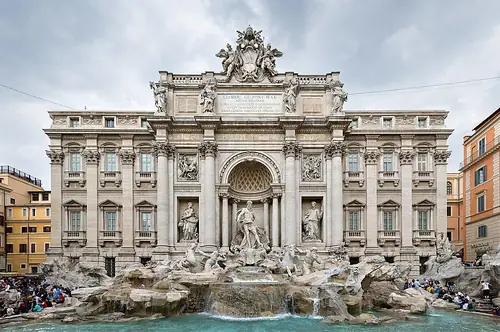
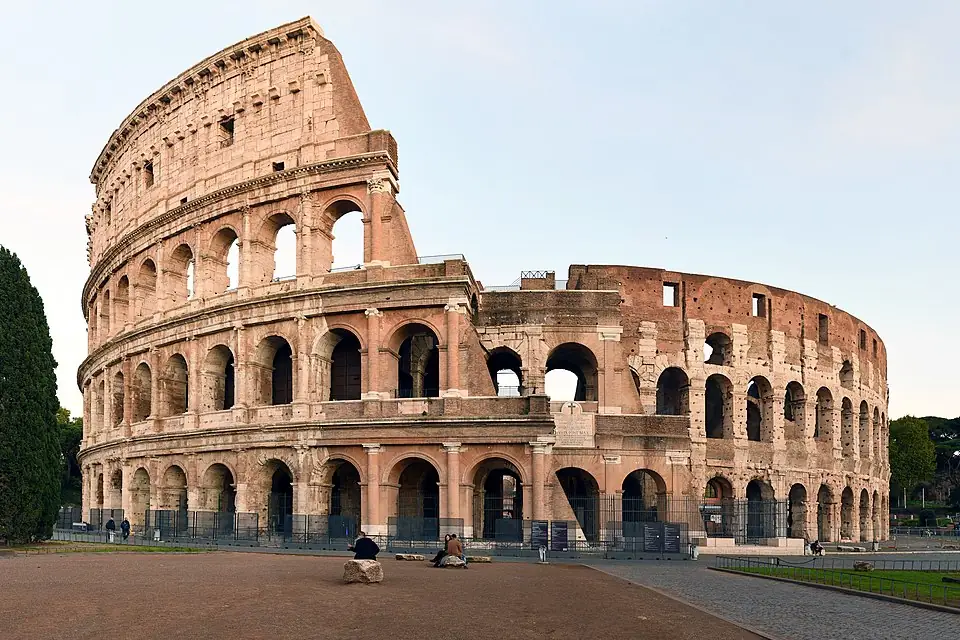
Day 1: the Colosseum and the Roman Forum (timed ticket). Day 2: the Vatican Museums and St Peter’s. Day 3: the Pantheon, the Trevi Fountain and Piazza Navona, then an evening in Trastevere. Day 4: the Borghese Gallery and its park.
- About 1 h 30 by high-speed trainFlorence 3 nights
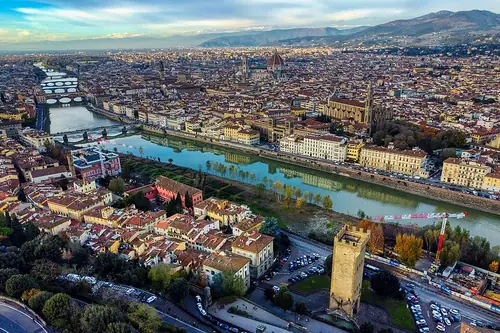
Day 1: the Duomo and the climb up Brunelleschi’s dome. Day 2: the Uffizi, the Ponte Vecchio and sunset at Piazzale Michelangelo. Day 3: Siena (about 1 h 15 by rapid bus), or Pisa and Lucca by train.
- About 2 h by high-speed trainVenice 2 nights
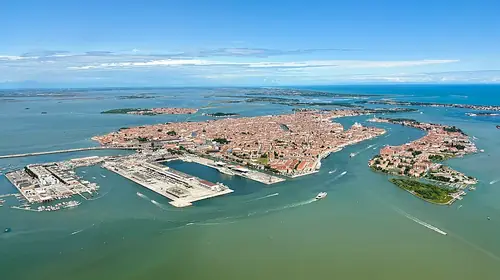
Day 1: St Mark’s Square and the Doge’s Palace early, then the Rialto. Day 2: a vaporetto to Murano and Burano. Staying the night means no day-tripper access fee (register for the exemption).
Getting around Fly into Rome and home from Venice. Book Frecciarossa or Italo seats a few weeks ahead: advance fares from Rome to Florence start around 20 euros.
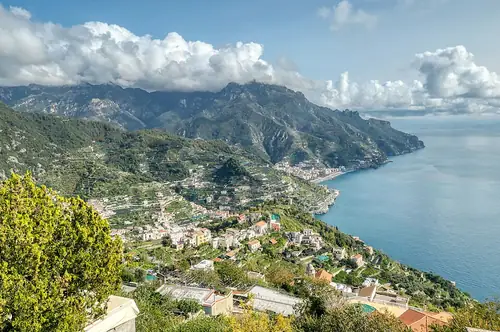
Rome, Naples and the Amalfi Coast
Best for Sea and ruins, May to June or September
- Rome 3 nights
Day 1: the Colosseum and the Forum. Day 2: the Vatican Museums and St Peter’s. Day 3: the Pantheon, Trevi and an evening in Trastevere.
- About 55 min by ItaloNaples 2 nights
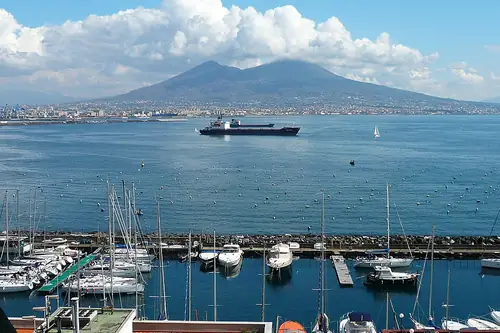
Day 1: the historic centre, the Sansevero Chapel and pizza in its home town. Day 2: Pompeii, or Herculaneum and Vesuvius, on the Circumvesuviana line.
- About 1 h 10 to Sorrento by Circumvesuviana, then bus or ferryAmalfi Coast 2 nights
Day 1: Positano and the coast road. Day 2: a fast ferry to Capri (under an hour), or Amalfi and Ravello.
Getting around Base on the coast in Sorrento or Positano. In season the ferries between Positano, Amalfi and Salerno beat the coast road, which has number-plate rules on busy days.
Sicily, east to west
Best for Volcano, temples and markets, May to June or September to October
- Catania 3 nights
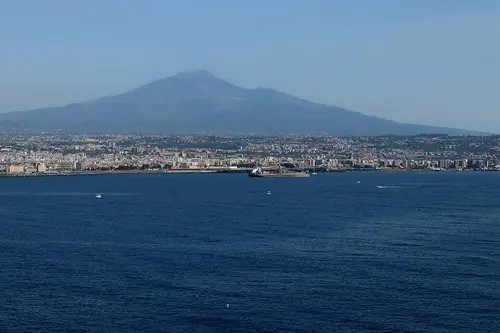
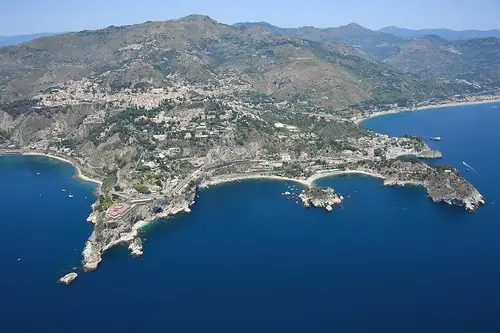
Day 1: Piazza del Duomo, the fish market and Via Etnea. Day 2: Mount Etna. Day 3: Taormina’s Greek theatre, or Syracuse.
- About 2 h 40 by SAIS busPalermo 3 nights
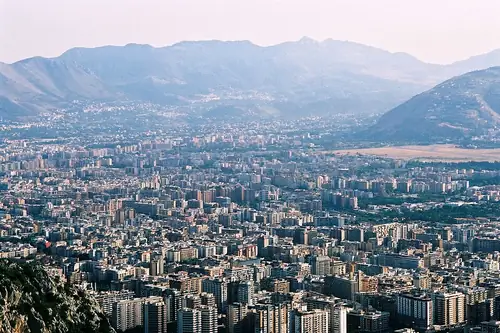
Day 1: the cathedral and the street markets. Day 2: the mosaics of Monreale, or Cefalù (45 to 60 min by train). Day 3: a long day trip to the Valley of the Temples at Agrigento.
Getting around Fly into Catania and home from Palermo. Rent a car for the day trips, or use the SAIS buses between the two cities.
When and where to go in Italy
| Month | Weather | Crowds | Prices | Best for |
|---|---|---|---|---|
| January | Mild south, cold/snowy north | Low | Lowest of the year | City breaks, skiing, value |
| February | Cool, crisp | Low-moderate | Low | Venice Carnival, skiing, deals |
| March | Spring begins | Low-moderate | Low | Cities before crowds, fewer queues |
| April | Mild, green | Moderate (Easter spikes) | Shoulder | Gardens, sightseeing, hiking |
| May | Warm, long days | Moderate-high | Mid | All-rounder, perfect city weather |
| June | Hot, festive | High | Mid-high | Coast, lakes, beginning of beach season |
| July | Peak heat | High | Peak | Beaches, lakes, guaranteed sun |
| August | Hottest, Ferragosto closures | Highest | Peak | Beaches, but cities partly shut |
| September | Warm, sea at its best | Thinning | Great value | The single best month overall |
| October | Mild, autumn light, harvest | Low-moderate | Shoulder, cheaper flights | Scenic countryside, cities, food |
| November | Cool, rainy spells | Low | Low | Cities, museums, olive and truffle season |
| December | Mild south, cold north, festive | Low then holiday spike | Low then peak | Christmas markets, nativity scenes, skiing |
Dates to plan around: Venice Carnival (to 9 February in 2027), Easter week, Ferragosto on 15 August, and the Christmas spike from around 20 December.
By region
| Region | Best months | Stay | Good to know |
|---|---|---|---|
| Rome | Apr to Jun, Sep to Oct (good year-round) | 3 to 4 days | Mild winters, the safe anchor |
| Florence and Tuscany | Apr to Jun, Sep to Oct | 3 to 5 days | Siena, Pisa and Lucca as day trips |
| Venice | Apr to Jun, Sep | 2 days | Day-tripper fee on selected 2026 dates |
| Amalfi Coast and Naples | May to Jun, Sep | 3 to 4 days | Many coastal hotels close in winter |
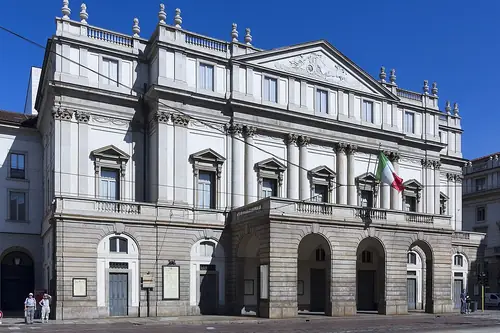
| Milan and the Lakes | May to Sep | 2 to 3 days | Gateway to Lake Como |
| Dolomites | Dec to Apr (ski), Jun to Sep (hiking) | 3 to 5 days | Cold, snowy winters |
| Sicily | May to Jun, Sep to Oct | 5 to 7 days | Its own trip: fly in and out |
| Sardinia | Jun to Sep | 5 to 7 days | Beaches; best with a car |
Find cheap flights to Italy
Rome (FCO) and Milan (MXP, LIN) are the main gateways, with Venice (VCE), Naples (NAP), Catania (CTA) and Palermo (PMO) close behind.
- Book 6 to 8 weeks ahead for European routes, 2 to 3 months ahead for July, August and holidays.
- Fly into the right airport: Naples for the Amalfi Coast, Venice for the northeast, Milan for the lakes, Catania or Palermo for Sicily.
- Fly midweek and skip August, Easter week and Christmas, which carry the highest fares.
Where to stay in Italy
For neighbourhoods in detail, see where to stay in Rome.
Daily budget for Italy
| Category | Budget (euros) | Mid-Range (euros) | Comfort (euros) |
|---|---|---|---|
| Accommodation | 35-60 | 90-150 | 180-350 |
| Food (3 meals) | 18-30 | 35-60 | 70-130 |
| Transport | 5-10 | 12-25 | 30-60 |
| Activities | 8-18 | 20-45 | 50-100 |
| Daily Total | 65-120 | 160-280 | 330-640 |
High-speed trains from Rome to Florence start around 20 euros booked ahead, and the Colosseum or the Uffizi run 18 to 25 euros. More in our Italy budget guide.
Stay connected in Italy
A travel eSIM gives you data the moment you land, for train apps, bus maps and ferry times. See our Italy eSIM guide.
- Activate before you fly: data works on arrival
- Plans for 200+ countries from a few dollars
- Keep your number; no physical SIM swap
Tours & activities in Italy
Skip the ticket queues and pre-book tours, day trips and skip-the-line entries.
What to pack for Italy
Four picks from our gear guides that suit this trip. Each card opens the live Amazon price; the links below lead to the full comparisons.
25 x 18 x 4 cm, 254 g, 2.1 L. Locking zips, a cut-resistant double-cable strap, an RFID passport pocket and a strap that clips to a chair. Reader’s Digest’s best crossbody for travel.
Check price on Amazon Live price on AmazonThe best value compression set going. A double-zip pulls the air out so a week of clothes shrinks to a few inches thick, and you get eight pieces (cubes plus a shoe and laundry bag) for roughly the price of one branded cube. The fabric is thin and the zips aren’t lifetime kit, but for the money nothing beats it.
Check price on Amazon Live price on AmazonThe reliable all-rounder: three USB-C and two USB-A ports, plugs for 200+ countries, and a built-in fuse with a spare. The adapter most people should buy.
Check price on Amazon Live price on AmazonModel A1259, 10,000mAh, about 37Wh, 215 g. Two phone charges in a jacket pocket, and small enough that the two-bank limit never becomes a question.
Check price on Amazon Live price on AmazonFrequently Asked Questions
What is the best month to visit Italy?
September is the standout: warm weather, the sea still swimmable, and prices easing from the August peak. May and June are close runners-up with long days, mild heat, and shoulder-season value before the summer rush.
When is the cheapest time to visit Italy?
November to March is cheapest, with flights and hotels often 30-40% below summer, outside the Christmas, New Year, and Easter spikes. Cities like Rome, Florence, and Venice stay lively, so winter culture trips are excellent value, even if beach resorts largely shut down.
Is August a good time to visit Italy?
August is the hottest, busiest, and priciest month, and around Ferragosto (15 August) many family-run shops and restaurants in the cities close while locals head to the coast. Beaches are packed and rates peak. Go in August only if you want guaranteed heat and book well ahead.
What is the weather like in northern versus southern Italy?
The south (Sicily, Naples, the Amalfi Coast) is hotter and drier, with mild winters and long beach seasons. The north (Milan, the Lakes, the Dolomites) is cooler and wetter, with cold, sometimes snowy winters and humid summers. Central Italy, including Rome and Tuscany, sits in between.
Is it worth visiting Italy in winter?
Yes for cities and the Alps. Rome, Florence, and Venice stay mild and far less crowded, with museums uncrowded and prices low outside the holidays. The Dolomites and Alps offer world-class skiing. Coastal resorts in the south, though, largely close for the season.
Do I need a SIM card or eSIM in Italy?
An eSIM is the easiest option. Italy has fast 4G/5G across the cities and most tourist regions, and an eSIM gets you online the moment you land without queuing for a local SIM, handy for maps, trains, and booking tickets on the move.
Start planning your Italy trip
Pick the season, pick one of the three trips, and book the fast trains weeks ahead: that is where Italy gets cheap.