Quick Answer
At a glance
- Best time
- Late Mar to early Apr, late Nov
- Time needed
- 4 to 5 days
- Currency
- Japanese yen (JPY)
- Language
- Japanese
- From the airport
- Skyliner from Narita, ~36 min, ~2,470 yen
- Plugs
- Type A, 100 V
- Visa
- Visa-free up to 90 days for many
- Getting around
- JR Yamanote, subway, Suica card
How do you get from Narita or Haneda into central Tokyo?
Tokyo has two airports, and which one you land at changes the ride more than anything else. Haneda Airport sits on the edge of the city; Narita Airport is more than 60 km east.
| From | Option | Time | Cost (adult) |
|---|---|---|---|
| Narita | Keisei Skyliner to Nippori or Ueno | From 36 min | Around 2,470 yen (2,465 yen with an IC card) |
| Narita | Keisei Access Express to Asakusa line stations | Around 60 to 70 min | Roughly half the Skyliner fare |
| Narita | JR Narita Express to Tokyo Station and Shinjuku | Around 60 min to Tokyo Station | Higher than the Skyliner |
| Haneda | Keikyu line to Shinagawa | Around 15 min | A few hundred yen |
| Haneda | Tokyo Monorail to Hamamatsucho | Around 15 to 20 min | Around 500 yen |
The Skyliner is the best value fast option if your hotel is in Ueno, Asakusa or anywhere on the Yamanote loop. With a hotel in Shibuya or Shinjuku and heavy luggage, look at the Narita Express or an airport limousine bus.
How do you get around Tokyo?
The trains are clean, punctual and signed in English. You need two things: an IC card and a basic grasp of one loop line.
What should you see in Tokyo?
You can’t “finish” Tokyo. Pick a few districts and do them properly.
| Sight | Area | Cost | Tip |
|---|---|---|---|
| Senso-ji temple and Nakamise | Asakusa | Free | Go before 9 am |
| Shibuya Crossing | Shibuya | Free | Cross once, then watch from above |
| Meiji Jingu shrine | Harajuku | Free | Pair with Takeshita Street next door |
| teamLab Borderless | Azabudai Hills | Adult tickets roughly 3,600 to 5,600 yen by date | Book a timed slot online well ahead |
| teamLab Planets | Toyosu | Paid, timed tickets | Open until the end of 2027 |
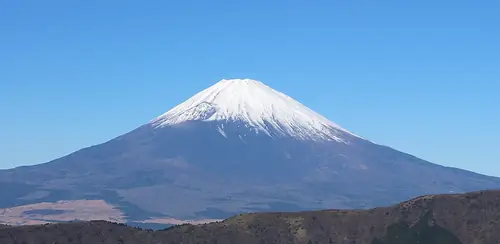
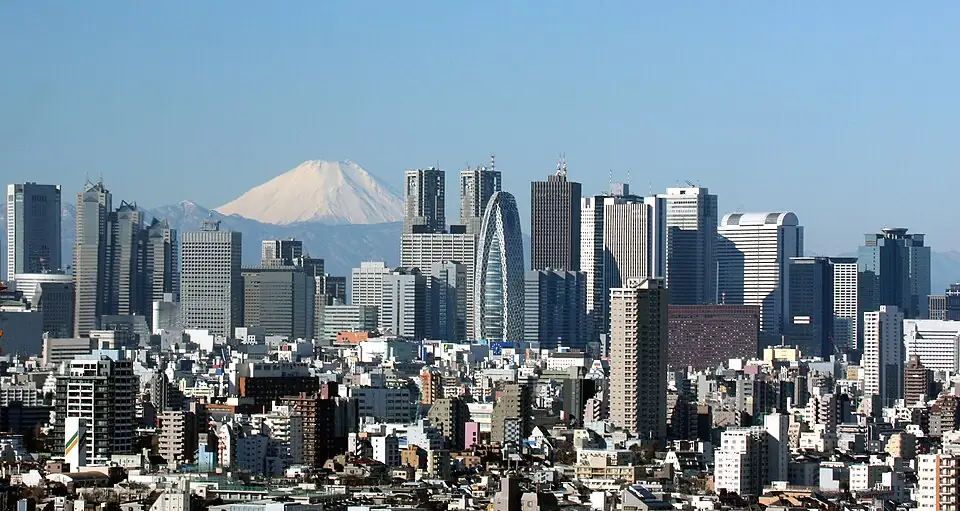
| Tokyo Metropolitan Government Building | Shinjuku | Free | Clear winter days can show Mount Fuji |
Day trips: Kamakura (giant bronze Buddha, coastal temples) is roughly an hour south by train; Nikko’s shrines in cedar forest take around two hours north. Both make a good break from the city.
What should you eat in Tokyo?
Tokyo is one of the best food cities in the world, and the cheap end is excellent.
- Ramen: many shops take orders from a ticket machine at the door, so have cash or an IC card ready.
- Conveyor-belt sushi: plates are priced by colour or a flat price per plate.
- Depachika: the food halls in department-store basements (Isetan Shinjuku, Mitsukoshi Ginza) sell bento and sweets, often discounted near closing.
- Konbini: 7-Eleven, Lawson and FamilyMart onigiri and sandwiches make a genuinely good, cheap breakfast.
When is the best time to visit Tokyo?
| Season | Weather | Crowds and prices | Best for |
|---|---|---|---|
| Spring (Mar to May) | Mild, blossom late March to early April | Peak around the blossom | Parks, hanami, walking |
| Summer (Jun to Aug) | Rainy season in June, then hot and humid | Moderate; Japanese holidays in mid-August | Festivals and fireworks |
| Autumn (Sep to Nov) | Typhoon risk in September, crisp by November | Builds toward the late-November colour | Comfortable walking, foliage |
| Winter (Dec to Feb) | Cold, dry and sunny | Quietest, except around New Year | Clear Mount Fuji views, lower rates |
The blossom date shifts by a week or more each year, so follow the forecasts. In 2026 Tokyo’s first bloom was 19 March and full bloom 28 March. Autumn colour in the city parks usually peaks from late November into early December. For the country-wide picture, see our Japan autumn leaves forecast.
Where should you stay in Tokyo?
You don’t experience all of Tokyo, only the districts near your station. Stay a short walk from a Yamanote stop and the whole city opens up.
| Neighbourhood | Vibe | Best for |
|---|---|---|
| Shinjuku | Neon, huge, open late | First-timers, transport links, food |
| Shibuya | Youthful, fashion, the crossing | Shopping, walkable evenings |
| Asakusa | Old Tokyo, temples, low-rise | Value, atmosphere, quiet mornings |
| Tokyo Station and Ginza | Polished, central | Shopping, shinkansen day trips |
Our where to stay in Tokyo guide compares the areas in detail, and our Tokyo budget stays guide shortlists cheaper options.
What to pack for Tokyo
Four picks from our gear guides that suit this trip. Each card opens the live Amazon price; the links below lead to the full comparisons.
The reliable all-rounder: three USB-C and two USB-A ports, plugs for 200+ countries, and a built-in fuse with a spare. The adapter most people should buy.
Check price on Amazon Live price on AmazonModel A1259, 10,000mAh, about 37Wh, 215 g. Two phone charges in a jacket pocket, and small enough that the two-bank limit never becomes a question.
Check price on Amazon Live price on AmazonA 40L suitcase-style clamshell that zips its harness and hip belt away, so it packs and checks-through like a bag but loads like a backpack. At 22 x 14 x 9 in it sits right at the United/American/Delta limit: the catch is a full-to-the-seams pack has zero margin left if a gate agent measures it.
Check price on Amazon Live price on Amazon61 x 122 cm, listed at 120 g in navy, snap loop and a ventilated carry bag. Rainleaf says it absorbs five times its own weight, and it comes in six sizes. The one most travelers should buy first.
Check price on Amazon Live price on AmazonFrequently Asked Questions
What is the best time to visit Tokyo?
Late March to early April for the cherry blossom and late November into early December for the autumn colour are Tokyo’s two standout windows: mild and beautiful, but busy and pricier. In 2026 the Japan Meteorological Agency recorded Tokyo’s full bloom on 28 March. Summer is hot, humid and rainy; winter is cold, clear and the quietest stretch.
Where should I stay in Tokyo for the first time?
Shinjuku and Shibuya put you on the JR Yamanote loop with endless trains, food and shops on the doorstep, the easy first-timer pick. Asakusa is cheaper, calmer and full of old-Tokyo atmosphere near Senso-ji. The area around Tokyo and Ginza stations suits shoppers and anyone catching a bullet train. Pick one and ride the loop.
How do I get from Narita or Haneda airport into central Tokyo?
From Narita, the Keisei Skyliner reaches Ueno in as little as 36 minutes for around 2,470 yen, while the slower Keisei Access Express costs roughly half that. From Haneda, which is much closer, the Keikyu line reaches Shinagawa in around 15 minutes and the Tokyo Monorail reaches Hamamatsucho in around 15 to 20 minutes, both for a few hundred yen.
Do I need a Suica or Pasmo card in Tokyo?
It is the easiest way to ride. Standard Suica cards have been sold again since March 2025, visitors can also pick up a Welcome Suica at the airport, and iPhone users can add Welcome Suica Mobile before they fly. One tap covers trains, buses, convenience stores and vending machines, so you never queue for paper tickets.
Do I need a visa to visit Tokyo?
Citizens of 74 countries and regions, including the US, UK, EU states, Canada and Australia, can visit Japan visa-free for short stays, usually up to 90 days. Japan plans an online pre-travel authorisation called JESTA by fiscal year 2028, but it is not required yet. Confirm the rule for your passport with Japan’s Ministry of Foreign Affairs.
How many days do you need in Tokyo?
Four to five days lets you cover the big districts (Asakusa, Shibuya, Shinjuku, Harajuku and Ginza) at a sane pace with a day trip to Nikko or Kamakura. Three days works if you move fast and stay on the Yamanote loop. A week lets Tokyo breathe and adds Mount Fuji or Hakone.