Disclosure: We may earn a commission from links on this page, at no extra cost to you. How we earn
This article contains affiliate links. If you make a booking through these links, we may earn a commission at no extra cost to you. About & Affiliate Disclosure
Quick Answer
- Best overall: December to April, dry, sunny, and hurricane-free nationwide.
- Best value: November and May, dry-season weather with smaller crowds and lower prices.
- Cheapest: late August to early October, when rains drop beach prices 30 to 50 percent.
- Don’t miss: Day of the Dead (Oct 31 to Nov 2) and whale season in Baja (Dec to Apr).
- Daily budget: 35 to 60 US dollars for backpackers, 90 to 170 for mid-range comfort.
The Best Time to Visit Mexico, in One Sentence
Late October gets written off as Mexico’s rainy season, but visitors who time it around Day of the Dead often find clear afternoon skies over the Zocalo, marigolds spilling off every altar, and the city thick with the smell of copal smoke and pan de muerto. The rain that many expect frequently never shows.
But you came for the answer, so here it is. The best time to visit Mexico is the dry season from December to April, when most of the country is sunny, warm, and hurricane-free. For the same fine weather with thinner crowds and softer prices, aim for the shoulder months of November and May, which bracket the peak without the peak-season bill.
Honestly? Mexico is so big and varied that “best” depends on what you’re chasing: beaches, colonial cities, whales, or the festivals. This guide breaks down the cost and weather of every month so you can match the trip to your wallet, including the one budget window most people are scared off by for no good reason.
What to pack for Mexico
Four picks from our gear guides that suit this trip. Each card opens the live Amazon price; the links below lead to the full comparisons.
25 x 18 x 4 cm, 254 g, 2.1 L. Locking zips, a cut-resistant double-cable strap, an RFID passport pocket and a strap that clips to a chair. Reader’s Digest’s best crossbody for travel.
Check price on Amazon Live price on AmazonThe best value compression set going. A double-zip pulls the air out so a week of clothes shrinks to a few inches thick, and you get eight pieces (cubes plus a shoe and laundry bag) for roughly the price of one branded cube. The fabric is thin and the zips aren’t lifetime kit, but for the money nothing beats it.
Check price on Amazon Live price on AmazonThe reliable all-rounder: three USB-C and two USB-A ports, plugs for 200+ countries, and a built-in fuse with a spare. The adapter most people should buy.
Check price on Amazon Live price on AmazonModel A1259, 10,000mAh, about 37Wh, 215 g. Two phone charges in a jacket pocket, and small enough that the two-bank limit never becomes a question.
Check price on Amazon Live price on AmazonWhen and where to go in Mexico
| Month | Weather | Crowds | Prices | Best for |
|---|---|---|---|---|
| January | Dry, warm, sunny | High | High | Whales, beaches, escaping winter |
| February | Dry, warm, peak whales | High | High | Whale watching, beach time |
| March | Dry, warming, Semana Santa late | Rising | Rising | Beaches before the heat, festivals |
| April | Hot, dry, Easter crowds | High | High | Ruins, beaches, spring break energy |
| May | Hot, first rains late | Easing | Mid | Shoulder value, warm seas |
| June | Warm, rains begin | Low | Low-mid | Green landscapes, low crowds, deals |
| July | Warm, daily showers | Moderate | Mid | Summer travel, lush scenery |
| August | Warm, humid, peak rains | Moderate | Mid | Value beaches, fewer tourists |
| September | Warm, wettest, hurricane peak | Low | Lowest | Cheapest trips, independence festivals |
| October | Warm, rains easing | Low rising | Low-mid | Day of the Dead build-up, value |
| November | Dry returns, festive | Rising | Mid | Day of the Dead, shoulder sweet spot |
| December | Dry, sunny, holiday spike | Very high late | High late | Whales, beaches, Christmas markets |
A few dates worth circling: whale season in Baja peaks from mid-January to mid-March, the patriotic Independence Day festivities land around September 16, and Day of the Dead runs October 31 to November 2 (book well ahead). Coastal highs barely move all year, hovering around 28 to 33 C, so it’s the rain and the holidays (not temperature) that shape your trip.
By region
| Region | Best months | Notes |
|---|---|---|
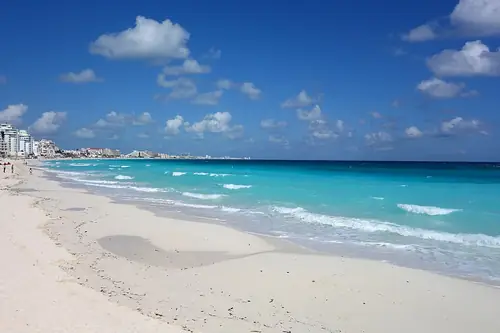
| Yucatan (Cancun, Tulum) | Nov to Apr | Dry and warm; hurricane risk Aug to Oct, but big low-season savings |
| Central highlands (Mexico City, Oaxaca) | Oct to May | Mild year-round; afternoon rains in summer; great for Day of the Dead |
| Pacific coast (Puerto Vallarta) | Nov to Apr | Dry winter sun; humid, rainy summers |
| Baja California (Cabo, La Paz) | Dec to Apr | Whale season and desert sun; very hot summers |
Find Cheap Flights to Mexico
Mexico City (MEX) is the main international gateway, but Cancun (CUN) often has the cheapest long-haul and charter fares thanks to the resort market, and Guadalajara (GDL) or Monterrey (MTY) can undercut both for central and northern trips. From Europe, watch for direct routes on Aeromexico and the legacy carriers, plus connections through US hubs; from North America, the budget carriers fight hard on Cancun and Mexico City routes.
Use the live calendar below to spot the cheapest departure dates at a glance, then compare across months.
Tips for cheaper flights:
- Book 2 to 4 months ahead for high-season beach trips; Cancun fares climb fast for Christmas and Easter.
- Fly into the cheapest gateway. Cancun is often the bargain entry point, then take a domestic flight or bus onward.
- Travel in the shoulders. May, June, and September departures are routinely the cheapest of the year.
- Watch the budget carriers. Volaris and VivaAerobus offer low domestic fares to skip long bus rides.
- Avoid the holiday spikes. Christmas, New Year, Semana Santa, and Day of the Dead carry the steepest fares.
For more route ideas and fare hacks, browse our full flights hub.
Target these windows for the cheapest trips:
Late August to early October is the absolute cheapest stretch. A beachfront room that runs 150 US dollars a night in February can drop to 70 to 90 in September, and flights to Cancun fall hardest in the late-summer lull. You trade a daily chance of rain for empty beaches and rock-bottom prices.
June delivers similar savings with slightly drier mornings and lush, green inland scenery, all while crowds stay thin before the family-summer rush.
Early November (after Day of the Dead) and mid-May are the budget picks if you want dry-season weather: classic blue skies in exchange for prices well below the December-to-April peak.
Steer clear of Christmas and New Year (December 20 to January 3), Semana Santa (Holy Week, March or April), and the Day of the Dead dates themselves (October 31 to November 2) for the lowest rates.
Pick your month and the flights look manageable. But there’s a regional twist that can make or break the trip, and it trips up plenty of first-time visitors.
Where to Stay in Mexico
Where you sleep shapes both your budget and your experience, and Mexico offers everything from beach hostels to colonial boutique hotels. Mexico City alone has wildly different neighborhoods.
Mexico City is the high-energy gateway, from the Zocalo’s grand plaza to leafy Roma backstreets. Oaxaca is the cultural and culinary heart, especially around Day of the Dead. Cancun and the Riviera Maya are the beach engine, with everything from hostels to all-inclusives. Compare current rates anytime on our hotels hub.
Daily Budget for Mexico
| Category | Budget (US dollars) | Mid-Range (US dollars) | Comfort (US dollars) |
|---|---|---|---|
| Accommodation | 12 to 25 | 50 to 100 | 130 to 300 |
| Food (3 meals) | 10 to 18 | 25 to 50 | 60 to 130 |
| Transport | 5 to 10 | 12 to 30 | 40 to 90 |
| Activities | 8 to 15 | 20 to 45 | 55 to 120 |
| Daily Total | 35 to 60 | 90 to 170 | 300 to 600 |
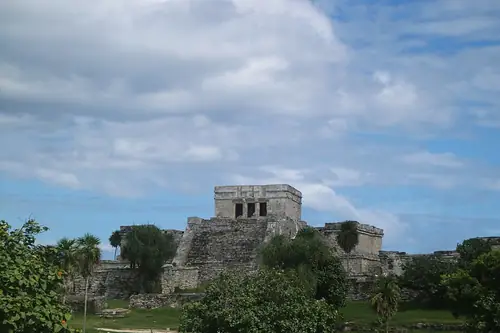
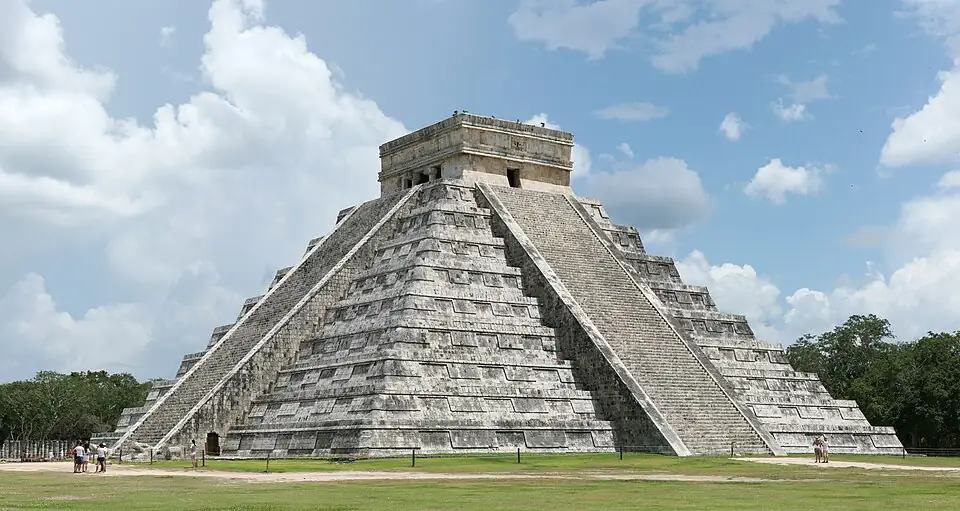
A few notes that keep costs honest: street tacos run 15 to 30 pesos each, a hearty comida corrida (set lunch) costs 80 to 150 pesos, and markets serve fantastic meals for a fraction of restaurant prices. Long-distance buses (ADO and similar) are comfortable and cheap, and second-class buses or colectivos cost less still. Many ruins and museums charge 60 to 100 pesos, and Sundays are free at federal sites for residents, with locals’ rates often modest for everyone.
Stay Connected and Safe: eSIM and VPN
Skip the airport SIM counter. A travel eSIM gives you fast data the moment you land at MEX or CUN, which matters when you’re decoding metro lines, booking a colectivo, or finding that taqueria everyone raves about. Mexico has solid 4G/5G in the cities and resort zones, though coverage thins in remote areas.
- Activate before you fly: data works on arrival
- Plans for 200+ countries from a few dollars
- Keep your number; no physical SIM swap
Mexico offers plenty of open Wi-Fi in hotels, cafes, and airports, and a VPN keeps your banking and logins private on those public networks while letting you reach your usual streaming and home services. Set it up before you fly.
- Up to 10 devices on one account
- Obfuscated servers for networks that block VPNs
- 30-day money-back guarantee
For the full rundown, see our guides to the best travel eSIM and VPN.
Tours & Activities: Mexico
Skip the ticket queues and pre-book the best local tours, day trips and skip-the-line attractions.
Frequently Asked Questions
What is the best time to visit Mexico?
December to April is the classic best time: dry, sunny, and hurricane-free across most of the country. For the same fine weather with smaller crowds and lower prices, target November or May, the shoulder months that bracket the high season.
What is the cheapest time to visit Mexico?
Late August to early October is the cheapest, when summer rains and hurricane risk push beach prices down 30 to 50 percent. The slow weeks in May and early November also offer dry-season weather at noticeably softer rates than the December-to-April peak.
When is Day of the Dead in Mexico?
Day of the Dead (Dia de Muertos) runs from October 31 to November 2, with November 1 honoring children and November 2 honoring adults. Mexico City, Oaxaca, and Patzcuaro are the headline destinations; book well ahead as these dates sell out.
Is hurricane season a reason to avoid Mexico?
Not entirely. The hurricane season runs June to November and peaks in September, mainly affecting the coasts. Direct hits are rare, prices are low, and inland cities like Mexico City and Oaxaca stay largely unaffected, so it can be great value.
How much does a trip to Mexico cost per day?
Budget travelers manage on 35 to 60 US dollars a day; mid-range travelers should plan for 90 to 170. See the cost table above for the full breakdown.
When is the best time for whale watching in Mexico?
Gray and humpback whales gather in Baja California waters from roughly December to April, with peak sightings from mid-January to mid-March. This overlaps neatly with the dry season, making winter the standout window for combining whales with warm, sunny beach days.